
Aybelosa Garden

Gardening

Your Destination for Healthy Seedlings and Garden InspirationAdd the main advantages of your business that make it unique and the best. 

This website provides the latest information and tips about gardening..

Here you will find the latest gardening tips, techniques, and updates.

Explore the latest information and helpful guides for successful gardening
Our services

Welcome to Aybelosa Garden, a serene haven where the joy of gardening meets sustainable agriculture and innovative farming practices. At Aybelosa Garden, we focus on growing and offering premium young plants for fruit, vegetable, and flowering crops. Our mission is to help you grow vibrant garden botanical spaces, whether you’re creating a home garden, a balcony garden, or a large botanical garden.

Whether you are an experienced gardener, a farming enthusiast, or just starting your green journey, our seedlings provide the perfect start for healthy and productive plant life.

Premium Seedlings for Fruits, Vegetables & Flowers

At Aybelosa Garden, we cultivate a diverse range of seedlings for your garden and botanical projects. Each seedling is carefully nurtured to ensure strong growth, resilience, and vibrant results.

Fruits Seedlings..

From tropical mangoes, papayas, and citrus to berries and pomegranates, our fruit seedlings are perfect for home orchards, community gardens, or commercial farming.

Vegetables Seedlings

Enjoy fresh produce with robust vegetable seedlings, including tomatoes, peppers, lettuce, cabbage, and more. Our vegetable seedlings are grown under sustainable farming practices to ensure healthy growth.

Flower Seedlings

Healthy and vibrant flower seedlings, specially grown to thrive in gardens across the Philippines

Last projects

Why Choose Aybelosa Garden Seedlings? 

Our focus on seedlings ensures that every plant you purchase from Aybelosa Garden is healthy, vigorous, and ready to thrive. Here’s why gardeners, hobbyists, and farming professionals trust our seedlings:

High-quality seedlings – Carefully nurtured fruit, vegetable, and flower seedlings for optimal growth.

Sustainable agriculture – All seedlings are grown using environmentally responsible farming techniques.

Expert guidance – Receive tips and advice on how to plant, care for, and harvest your seedlings.

Garden Inspiration – See examples of thriving seedlings in our garden areas and get inspired for your own spaces.

Every botanical garden display at Aybelosa Garden highlights the importance of nurturing seedlings to ensure sustainable growth, healthy ecosystems, and beautiful garden botanical landscapes.

Sustainable Farming Meets Garden Beautyotanical

Gardening has evolved from being just a hobby to becoming a powerful way to improve health, save money, and help the environment. In recent years, sustainable gardening has gained popularity because it emphasizes growing food naturally, using eco-friendly methods, and preserving soil and resources. By adopting sustainable practices, home gardeners can produce healthy food while protecting the planet.


This guide will explain what sustainable gardening is, why it matters, and practical ways to grow food naturally—even in small spaces.


What Is Sustainable Gardening?


Sustainable gardening is a method of cultivating plants in a way that protects the environment, conserves resources, and maintains soil health. Unlike conventional gardening, which may rely on chemical fertilizers, pesticides, and excessive water, sustainable gardening focuses on natural and renewable techniques.


Key principles include:


Minimizing chemical use: Avoid synthetic fertilizers and pesticides that can harm beneficial insects, soil organisms, and the wider ecosystem.


Preserving soil health: Healthy soil produces strong plants and reduces the need for external inputs.


Efficient resource use: Reduce water, energy, and material waste while increasing productivity.


Biodiversity: Growing a variety of plants attracts pollinators and creates a balanced ecosystem.


Sustainable gardening is not only good for the environment but also ensures that your garden remains productive for many years.


Why Natural Gardening Is Better for Health and Soil


Growing food naturally has multiple benefits:


Health Benefits


When you grow food naturally, you reduce exposure to harmful chemicals and pesticides. Freshly harvested fruits, vegetables, and herbs are more nutritious, taste better, and are safer for consumption. Natural gardening encourages organic methods, which promote healthy eating habits for you and your family.


Soil Benefits


Chemical fertilizers can temporarily boost plant growth, but they often damage soil over time. Sustainable gardening restores soil life by feeding beneficial microbes and maintaining soil structure. Healthy soil retains water, prevents erosion, and improves the overall fertility of your garden.


Growing food naturally creates a self-supporting environment in which plants, insects, and soil organisms thrive together.


Natural Fertilizers You Can Use


Using natural fertilizers is a cornerstone of sustainable gardening. These are some practical options you can implement at home:


Compost


Compost is made by recycling kitchen scraps, yard waste, and plant trimmings into nutrient-rich soil. It boosts soil health, retains water, and supplies essential nutrients to support plant growth. You can make compost in a small bin, pile, or even a worm composting system. Common materials include:


Fruit and vegetable scraps


Coffee grounds


Dry leaves and grass clippings


Banana Peel Fertilizer


Using banana peels supplies potassium and phosphorus, essential for flowering and fruit production. To use:


Chop the peels into small pieces.


Bury them near the roots of your plants or blend them into a liquid fertilizer by soaking in water for a few days.


Banana peel fertilizer is perfect for tomatoes, peppers, and flowering plants.


Eggshell Calcium


Using eggshells supplies plants with calcium, promoting strong cell walls and reducing the risk of blossom end rot in tomatoes. To use:


Wash and dry eggshells.


Crush them into a fine powder.


Dust the powder around the plant roots.


Eggshell calcium is particularly helpful for tomatoes, peppers, and other fruiting vegetables.


Natural Pest Control Methods


One of the most important aspects of sustainable gardening is protecting plants without harming the ecosystem. Natural pest control methods include:


Neem oil: Acts as a natural insect repellent and is safe for beneficial insects.


By planting herbs like basil, mint, or marigolds near vegetables, you can naturally repel pests.


Manual removal: Handpick insects or affected leaves to prevent infestations.


Soap sprays: A mild solution of liquid soap and water can control soft-bodied insects like aphids.


These methods are safe, eco-friendly, and effective, allowing plants to thrive without chemical pesticides.


Water-Saving Gardening Techniques


Since water is a limited resource, sustainable gardening emphasizes careful management. Here are some techniques to save water while keeping plants healthy:


Mulching: Cover the soil with straw, leaves, or wood chips to reduce evaporation and maintain moisture.


By directing water to the roots, drip irrigation reduces wastage and maximizes efficiency.


Collect rainwater in tanks or barrels to irrigate your garden efficiently.


Grouping plants with similar water needs: This prevents overwatering some plants while under-watering others.


By implementing water-saving techniques, gardeners can grow more with less, which is especially important in tropical regions or areas prone to drought.


Growing Multiple Crops in One Space


Maximizing limited space is a hallmark of sustainable gardening. Growing multiple crops together, also known as intercropping or polyculture, offers several benefits:


Better use of space: Taller plants provide shade for smaller crops.


Reduced pest problems: A mix of plants confuses pests and reduces infestations.


Improved soil fertility: Certain plants, like legumes, fix nitrogen and enrich the soil for neighboring crops.


Extended harvest: Space out planting times so fresh produce is available steadily.


Examples include planting tomatoes with basil, carrots with onions, or beans with corn. Vertical gardening, container gardening, and raised beds also make it easier to grow multiple crops in limited areas.


How Aybelosa Garden Promotes Sustainable Gardening


Aybelosa Garden is committed to helping gardeners adopt natural and sustainable practices. Through expert advice, quality plants, and organic solutions, they empower home gardeners to grow food naturally.


Aybelosa Garden provides:


Plants and seeds grown organically are suitable for sustainable gardening practices.


Guidance on natural fertilizers and pest control to maintain healthy soil and crops.


Workshops and tutorials on efficient water use, intercropping, and home composting.


By following the guidance and resources offered by Aybelosa Garden, gardeners can create productive, eco-friendly gardens that benefit both their families and the environment.


Final Thoughts


Sustainable gardening is more than just a trend—it’s a lifestyle choice that benefits your health, your soil, and the planet. By cultivating food naturally with compost, banana peels, and eggshells as fertilizers, along with natural pest control, gardeners can minimize chemical use and grow healthy, nutrient-rich crops.


Water-saving techniques and intercropping maximize space and resources, making gardening practical even in small areas. With proper planning, care, and guidance from experts like Aybelosa Garden, anyone can create a thriving, sustainable garden.


By embracing sustainable gardening, you’re not only growing food—you’re investing in a healthier future, preserving the environment, and enjoying the satisfaction of producing your own natural, chemical-free harvest.

You will find the latest information...

At Aybelosa Garden, our goal is to demonstrate that agriculture and garden design can be complementary. 

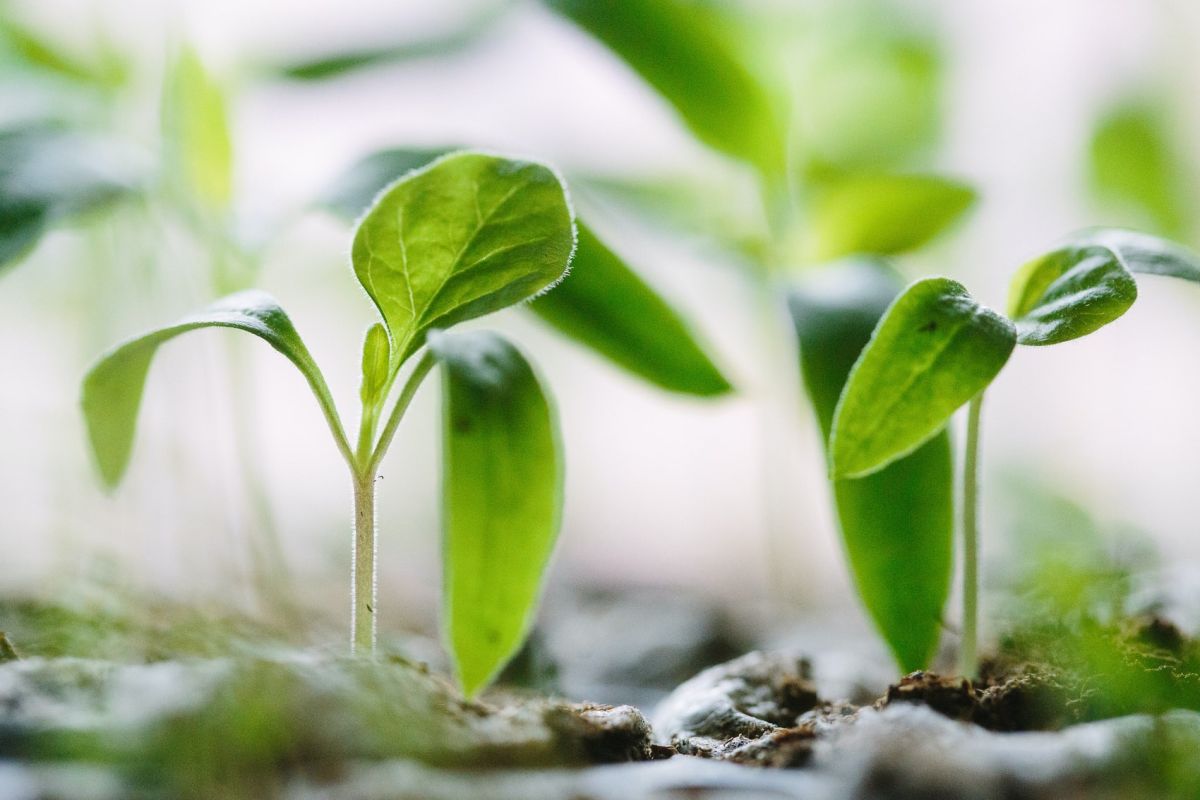
By growing seedlings for fruits, vegetables, and flowers, we provide hands-on examples of sustainable farming techniques. Visitors can explore how seedlings progress from tiny plant & plant starts to thriving plants ready to harvest or bloom.

Our botanical gardens serve as living classrooms where every botanical garden section demonstrates practical, sustainable practices. From soil enrichment to careful watering, visitors see the science of farming applied in real garden botanical settings.

Join Our Growing Gardening Community

With every seedling you acquire from Aybelosa Garden, you’re joining a community committed to cultivating vibrant gardens, eco-conscious agriculture, and safeguarding botanical gardens. From establishing a backyard fruit grove, raising home-grown vegetables, to designing colorful flower displays, Aybelosa Garden is here to assist you throughout the process.

Got some ideas? Have questions? We're ready for them.